Proactive workplace mental health support combines early intervention, ongoing wellness resources, manager training, and access to professional care instead of relying only on occasional counseling sessions.
Employee mental health support is becoming an important part of workplace planning. Traditional employee assistance programs often provide counseling sessions, referrals, and crisis resources. These services remain valuable, but employees may need support before their concerns become serious enough to require a formal appointment.
Work-related stress, burnout, anxiety, financial pressure, relationship concerns, and personal responsibilities can affect employees throughout the year. A proactive approach helps organizations make support available earlier and encourages employees to develop healthier habits before challenges become overwhelming.
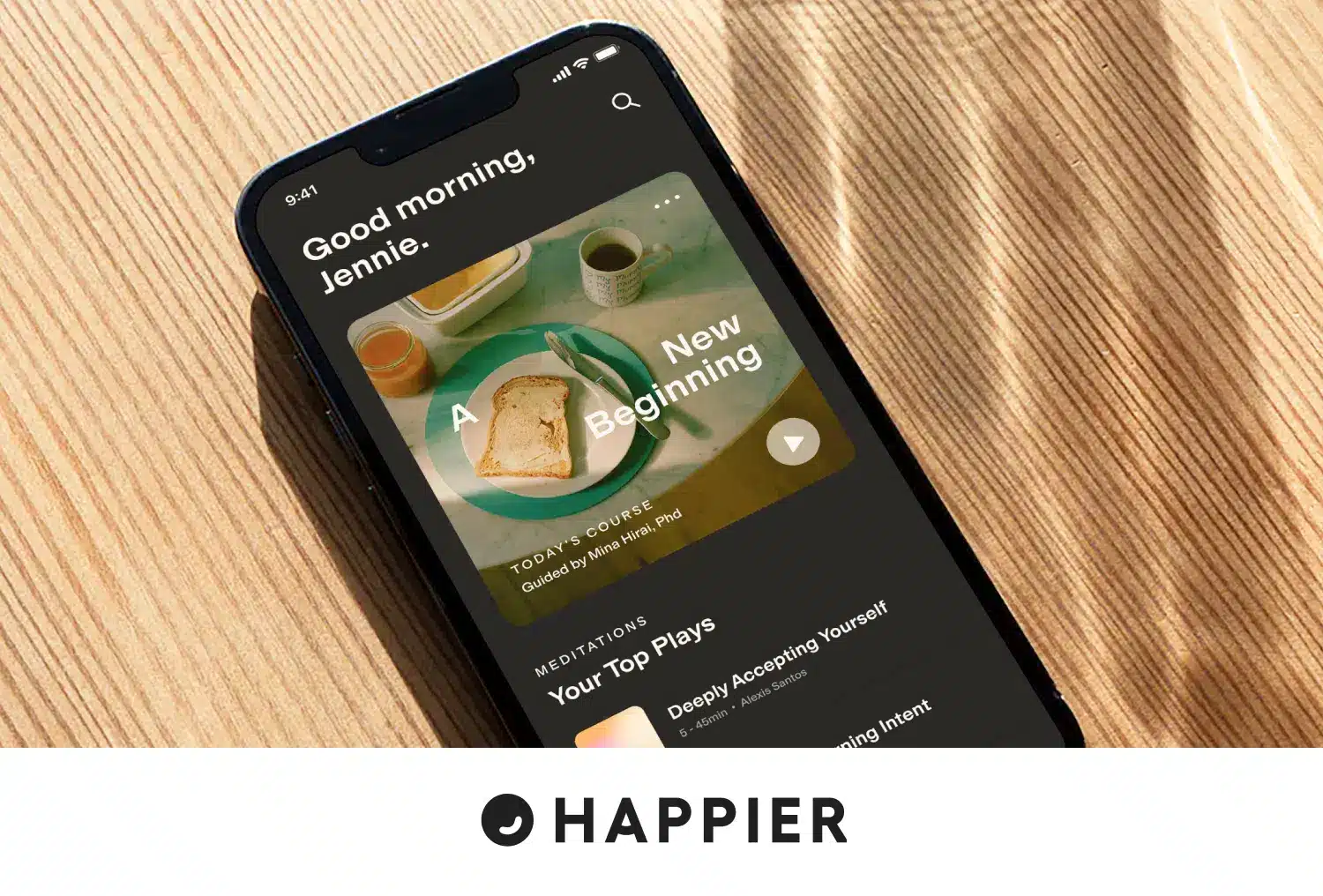
A digital employee wellness app can complement existing support services by making wellness information, self-guided resources, and referral options easier to access. The goal is not to replace professional care. It is to create a more consistent support system that employees can use when and where they need it.
Why One-Off Counseling Sessions May Not Be Enough
Individual counseling sessions can provide important support, but they may not address every factor affecting employee well-being. Some employees may not recognize their concerns early, while others may hesitate to schedule an appointment because of time pressure, uncertainty, or privacy concerns.
One-off sessions may also create gaps between periods of support. Employees may need practical resources and encouragement during the time between appointments or before they decide to seek professional help.
A proactive approach can help bridge these gaps by offering:
- Early access to wellness information
- Stress management resources
- Self-guided activities
- Regular wellness communication
- Peer connection
- Manager awareness training
- Clear referral pathways
- Support for different levels of need
An employee assistance program can remain an important part of this structure. Digital tools can help employees understand what services are available and make it easier to take the first step.
What Proactive Mental Health Support Means
Proactive mental health support focuses on prevention, early awareness, and ongoing access. Instead of waiting until an employee reaches a crisis point, organizations provide resources that encourage people to pay attention to their well-being throughout the year.
This approach may include:
- Mental health education
- Wellness check-ins
- Stress reduction resources
- Healthy work habit guidance
- Manager training
- Peer-support opportunities
- Confidential self-guided tools
- Access to professional services
- Recovery and substance use resources
- Crisis information
Proactive support should be voluntary and respectful. Employees should never feel pressured to disclose private information or participate in wellness activities.
The organization’s responsibility is to make support available, communicate clearly, and create a workplace culture where seeking help is accepted.
Identify Common Workplace Stressors
Before introducing a wellness tool, employers should understand the pressures employees may experience. Workplace stress can come from workload, unclear expectations, limited flexibility, poor communication, job insecurity, interpersonal conflict, or insufficient recovery time.
Organizations can identify common concerns through:
- Anonymous employee surveys
- Listening sessions
- Engagement feedback
- Absence and turnover trends
- Manager observations
- Exit interviews
- Workload assessments
- Employee resource group feedback
The information should be used to improve workplace practices, not to identify or penalize individual employees.
A digital wellness platform can support general education and resource access, but it cannot solve organizational problems by itself. If employees are experiencing excessive workloads or poor management practices, employers must address those conditions alongside providing wellness resources.
Make Support Available Before a Crisis
Many employees may not seek help until their concerns begin affecting work, relationships, sleep, or daily functioning. Early access can make it easier for employees to understand their options and seek appropriate support.
A proactive program can provide information about:
- Common signs of stress and burnout
- When to consider professional support
- How to access EAP services
- Confidentiality expectations
- Available community resources
- Crisis support options
- Healthy coping strategies
- Support for colleagues and managers
A workplace mental health app may help employees find this information without waiting for a formal meeting or referral.
The platform should clearly explain that general wellness content is not a diagnosis or a substitute for professional treatment. Employees should always have access to qualified providers when their needs require clinical care.
Provide Ongoing Wellness Resources
Mental health support should not be limited to annual awareness campaigns. Employees benefit from resources that are available throughout the year and relevant to different stages of their working lives.
Ongoing resources may include:
- Guided breathing or relaxation activities
- Stress management information
- Sleep and recovery guidance
- Time management resources
- Emotional wellness education
- Financial wellness information
- Communication tools
- Conflict management guidance
- Substance use and recovery support
- Information about professional services
A digital wellness platform can organize these resources in one accessible location. This may reduce the time employees spend searching for information and help them find support that matches their current needs.
Resources should be concise, easy to understand, and available in formats that suit different employees.
Encourage Managers to Recognize Signs of Distress
Managers are often in a position to notice changes in employee behavior, attendance, communication, or performance. They should not be expected to diagnose mental health conditions, but they can learn how to respond appropriately.
Manager training may cover:
- Recognizing possible signs of distress
- Starting a respectful conversation
- Listening without judgment
- Avoiding assumptions
- Explaining available resources
- Maintaining professional boundaries
- Understanding privacy limitations
- Responding to urgent concerns
- Referring employees to qualified support
Managers should not ask employees to disclose personal medical information. Their role is to provide support, clarify workplace options, and connect employees with the appropriate resources.
Training can also help managers understand that changes in performance may have many causes. A supportive conversation should focus on observable work concerns and available assistance rather than speculation.
Create a Culture That Normalizes Help-Seeking
Even when support services exist, employees may avoid them because of stigma. They may worry that using an EAP will affect their career, reputation, job security, or relationship with management.
Organizations can reduce these concerns by communicating clearly that:
- Wellness resources are available to everyone
- Using support is not a sign of weakness
- Personal information should be handled confidentially
- Employees are not required to share private details
- Professional help is available when needed
- Managers should respond respectfully
- Mental health is part of overall employee well-being
Communication should be consistent and come from different channels, including onboarding, internal newsletters, manager meetings, and employee resource pages.
A proactive approach becomes more effective when employees understand how to access support before they need it urgently.
Support Employees With Different Needs
Not every employee will use the same type of resource. Some may prefer private self-guided tools, while others may want professional counseling, peer support, educational content, or community activities.
A flexible app for employee wellness can support different preferences by providing multiple ways to engage. However, organizations should avoid assuming that digital access alone is enough.
Employees may also need:
- Flexible working arrangements
- Reasonable workload adjustments
- Time to attend appointments
- Accessible communication
- Language-appropriate resources
- Support for disabilities
- Recovery-friendly policies
- Clear leave and accommodation information
Digital tools should complement workplace policies and human support rather than replace them.
Include Recovery and Substance Use Support
Mental health and substance use concerns can sometimes overlap. Employees may experience stress related to drinking or substance use, or they may be working to maintain recovery while managing workplace expectations.
A proactive wellness strategy can provide nonjudgmental information about:
- Recognizing problematic substance use
- Finding professional support
- Maintaining recovery routines
- Accessing confidential resources
- Supporting a colleague appropriately
- Understanding recovery-friendly workplace practices
- Responding to urgent concerns
A quit alcohol app or recovery-focused digital resource may help employees access general information and motivation. However, it should not replace medical care, counseling, treatment, or emergency support.
Employers should also ensure that wellness messaging does not create stigma or imply that employees must disclose personal recovery information.
Use Technology Responsibly
Digital tools can extend access to wellness support, but organizations should evaluate them carefully. A platform should be easy to use, accessible, privacy-conscious, and clear about its limitations.
Important evaluation questions include:
- What information does the platform collect?
- Who can access employee data?
- Are reports aggregated?
- Can employees use the tool privately?
- Is the content reviewed by qualified professionals?
- Does the platform provide referral information?
- Are crisis resources easy to find?
- Does it work across mobile and desktop devices?
- Can employees control notifications?
- Does it integrate with existing EAP services?
An employee assistance program app may help employees access support resources more conveniently, but employers should not use digital tools to monitor private wellness activity.
The organization should explain what the platform does, what it does not do, and how employee information is handled.
Provide 24/7 Access to General Guidance
Employees do not experience stress only during office hours. They may need information during evenings, weekends, holidays, travel, or remote work.
A digital platform can provide access to general wellness guidance and support information outside normal office hours. This may include:
- Self-guided wellness resources
- Frequently asked questions
- EAP contact information
- Professional referral details
- Crisis contact information
- Recovery resources
- Guidance for supporting a colleague
If a platform uses AI, it should clearly communicate that AI-generated guidance is not a replacement for a licensed professional. Employees should be directed to qualified services when they need assessment, treatment, or urgent assistance.
For immediate danger or a serious crisis, employees should contact local emergency services or an appropriate crisis resource.
Measure Whether the Program Is Working
Organizations should evaluate proactive mental health initiatives to understand whether employees can access and use the available resources. Evaluation should protect privacy and avoid creating pressure to participate.
Useful measures may include:
- Awareness of EAP services
- Resource engagement
- Employee feedback
- Participation in wellness activities
- Ease of finding support
- Reported barriers to care
- Referral completion where appropriate
- Manager training participation
- Accessibility feedback
Employers should avoid treating increased use of mental health resources as a negative outcome. Higher engagement may indicate that employees trust the program and can access support more easily.
Reporting should focus on improving the program rather than identifying individual employees.
Build a Sustainable Support Strategy
A proactive mental health program should be part of the organization’s broader employee experience. It should connect digital resources with workplace policies, professional services, manager training, and employee feedback.
A sustainable strategy may include:
- Assessing employee needs
- Reviewing existing EAP services
- Selecting appropriate digital tools
- Communicating privacy clearly
- Training managers
- Providing ongoing wellness resources
- Offering professional referral pathways
- Reviewing employee feedback
- Improving workplace conditions
- Evaluating results responsibly
This approach helps ensure that wellness support is not treated as a temporary campaign. Instead, it becomes part of how the organization supports employees throughout the year.
Frequently Asked Questions
1. What is proactive mental health support for employees?
Proactive mental health support focuses on prevention, early awareness, ongoing wellness resources, manager training, and access to professional care before concerns become severe.
2. Can a digital wellness tool replace an EAP?
No. A digital wellness tool should complement an EAP and other professional services. It can make information and resources easier to access, but it should not replace counseling, treatment, or crisis care.
3. How can employers reduce the stigma around mental health support?
Employers can normalize help-seeking, explain privacy clearly, train managers, provide inclusive communication, and make support resources easy to find.
4. What should employers look for in a digital wellness platform?
Employers should evaluate privacy, accessibility, ease of use, content quality, professional referrals, crisis information, reporting safeguards, and integration with existing support services.
5. How can organizations measure the success of a proactive wellness program?
Organizations can review resource awareness, participation, employee feedback, accessibility, engagement, and barriers to care. Evaluation should protect individual privacy and focus on program improvement.
Conclusion
Supporting employee mental health requires more than offering occasional counseling sessions. Employees may benefit from ongoing education, early intervention, manager awareness, peer connection, recovery resources, and clear access to professional care.
A carefully selected employee wellness app can complement existing corporate wellness programs by making resources available throughout the year. The most effective approach combines digital tools with supportive workplace policies, confidential services, and a culture that encourages employees to seek help early.
Proactive mental health support is not about monitoring employees. It is about creating a workplace where people can access appropriate resources, understand their options, and receive support before challenges become overwhelming.