Choosing a Sober vs Drunk Life
When comparing a sober life to one consumed by alcohol, it can be difficult to decide which is better. Many people find themselves caught between two worlds—one dominated by alcohol and the other full of possibilities that come with sobriety. Let’s explore the emotional, physical, and mental shifts that happen when you move from being drunk to being sober and why people contemplate this change.
 Why People Contemplate Being Sober vs Drunk
 Why People Contemplate Being Sober vs Drunk
For those in the throes of alcohol abuse, the idea of sobriety can be both appealing and frightening. On one hand, there’s the hope of regaining control, finding clarity, and experiencing life fully again. On the other, alcohol serves as a crutch, providing temporary relief from life’s stresses. Many who struggle with substance abuse often wrestle with the fear of dealing with the world without alcohol’s numbing effects.
Alcoholics Anonymous and other popular alcohol support groups often emphasize how alcohol can cloud judgment, potentially ruin relationships, and might derail mental and physical health. Yet, breaking free from this hold can feel overwhelming, especially for those who experience withdrawal symptoms that make quitting feel nearly impossible.
Reasons Why Someone Might Want to Stay Drunk
Despite the toll alcohol can take, some people may prefer to stay drunk. Why? One of the main reasons is the escape alcohol provides. When drunk, you can numb difficult emotions and avoid confronting mental health struggles.
Here are a few other reasons:
- Avoiding Pain: Whether it’s emotional, psychological, or even physical pain, alcohol often seems like the easiest way to block it out.
- Fear of Facing Life Sober: Living life sober can seem daunting for those who have relied on alcohol to get through difficult moments.
- Social Pressure: For some, drinking is embedded in their social circles, and they may worry about losing friends or connections.
- Routine: Alcohol can become a part of someone’s daily habits. Breaking out of that routine may seem impossible without support.
Being Drunk: Short-Term Fun with Long-Term Consequences
The thrill of a night out, the social ease, and the temporary escape alcohol can bring often feel like pure fun—at least in the moment. But while drinking may deliver a short-lived sense of enjoyment, its effects can linger well beyond the night. Physically, alcohol puts a strain on your body as it processes the alcohol, while mentally, the fog and emotional impact may take days to shake off.
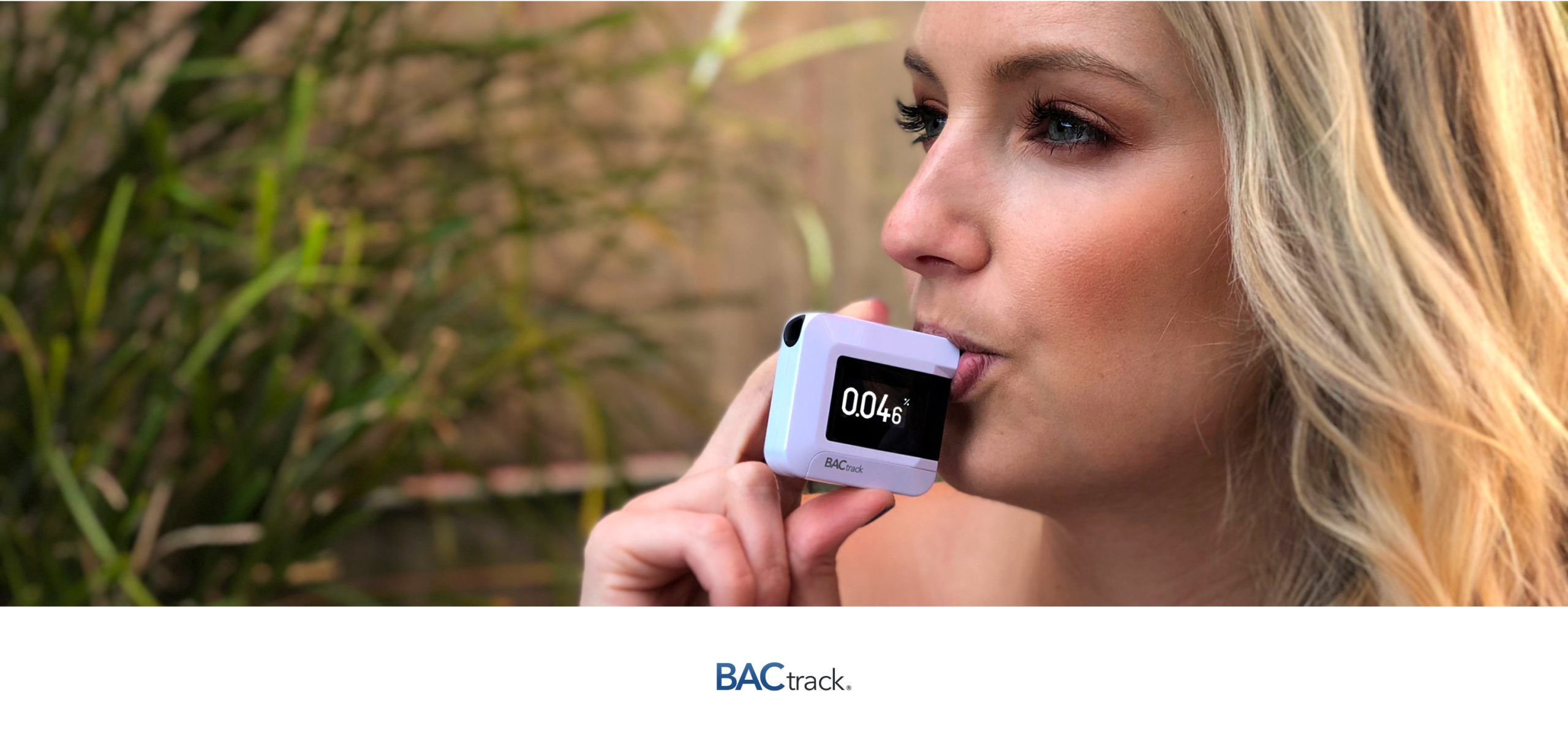
So, how long do you stay drunk? The answer can vary widely based on several factors that affect how long alcohol stays in your system. After a night of drinking, you may feel drunk for just a few hours, but the lasting impact can stretch much further. When you consume an alcoholic beverage, it raises your blood alcohol concentration (BAC), which is influenced by how quickly alcohol is metabolized in your body. Typically, BAC levels drop at a rate of about one drink per hour, but individual metabolism, body weight, and other health factors all play a role in how long alcohol stays in your system.
Even after you no longer feel intoxicated, small amounts of alcohol can linger in your body, with a notable effect on your sleep, mood, and mental clarity. Understanding how long alcohol stays in your system and the lasting effects of even short-term drinking can be a powerful motivator for those considering a shift to sobriety. The temporary high from a night out may not be worth the toll on your health and well-being, making the benefits of a clear-headed, sober life even more appealing.
The Impact of Drinking: How Alcohol Affects Your System
When deciding whether to pursue a sober lifestyle or continue drinking, it’s important to consider the short- and long-term effects of alcohol on your body and mind. Drinking alcohol raises your blood alcohol concentration (BAC), a measure that can be affected by the number of drinks consumed, the time between them, and individual factors like body weight and metabolism. A “standard drink” usually contains around 0.6 ounces of pure alcohol, but even this amount can push some people close to the legal limit for driving, depending on their tolerance and metabolism.
The short-term effects of drinking may include a temporary sense of relaxation or euphoria, but they come with consequences. Even one night of heavy drinking can impair your mental clarity, disrupt sleep, and leave you with physical side effects. A BAC above the legal limit for driving (0.08% in most regions) can increase the risk of accidents, injuries, and impaired judgment. It generally takes the body about one hour to metabolize each standard drink, though individual rates vary. That means if you consume multiple drinks over a short period, you could still have elevated BAC levels several hours later.
Recovering from these effects to “sober up” takes time, and the body often needs at least a full day to feel clear-headed and physically well after heavy drinking. For some, the physical toll can last longer, impacting not only mood and energy but also overall health. This recovery process can serve as a reminder of the short-lived benefits of drinking compared to the enduring advantages of a sober life.
Why Sober is Better

While the reasons for staying drunk may be convincing to some, living a sober life can ultimately offer countless benefits. From improved health to better relationships, sobriety creates space for growth and authenticity.
- No Hangovers: Sobriety eliminates the dreaded hangovers, where the body is recovering from the toxic effects of alcohol. Mornings are fresh, clear-headed, and full of potential.
- Being Fully Present: In sobriety, you’re more mentally and emotionally present. This presence allows for stronger relationships, clearer decision-making, and the ability to enjoy life’s moments fully.
- No More Dishonesty: Alcohol can lead to lies—about drinking habits, behavior, and even feelings. Sobriety can foster a space for honesty, creating stronger, more authentic relationships.
- Not Hurting the People Around You: The ripple effect of alcohol abuse can impact loved ones. Sobriety can offer an opportunity to repair these relationships and nurture new, healthier ones.
- Health: Alcohol has a profound effect on both physical and mental health. Chronic drinking can lead to liver damage, heart disease, and worsened mental health. Sobriety, on the other hand, allows the body to heal and the mind to regain stability.
- Authenticity: Perhaps one of the greatest gifts of sobriety is the ability to live as your true self. Without alcohol masking emotions or altering behavior, you can connect more deeply with others and yourself.
Inspiring Sober Quotes
Many who have embraced sobriety find that their lives transform in ways they couldn’t imagine while drinking. These sober quotes capture just how different and rewarding sobriety can be:
“I chose sober because I wanted a better life. I stay sober because I got one.” ~ Anonymous
“Your best days are ahead of you. The movie starts when the guy gets sober and puts his life back together; it doesn’t end there.” ~ Bucky Sinister
“Being in recovery has given me everything of value that I have in my life. Integrity, honesty, fearlessness, faith, a relationship with God, and most of all, gratitude. Sobriety was the best gift I ever gave myself.” ~ Rob Lowe
The Path Forward
The journey from drunk to sober isn’t easy, but for those who embark on it, the rewards can be life-changing. With the support of groups like Alcoholics Anonymous, online sober communities, and the help of loved ones, anyone can choose to move from the destructive path of alcohol to a healthy, fulfilling, and truly authentic life.
Finding Support with the Loosid App
One powerful tool that can help you stay sober is a sobriety app like the Loosid. Loosid offers a unique platform for people in recovery, providing access to a vibrant sober community where you can find support, make connections, and celebrate sobriety milestones. Whether you’re looking for a support group, sober events, or just a space to share your journey, Loosid makes it easy to stay connected with like-minded individuals who understand the challenges and rewards of sobriety. By staying engaged with a community, your path to recovery becomes a shared experience, offering motivation and accountability to maintain your sober life.