

Sobriety Tools That Actually Help: Build a Recovery Toolbox That Works for You
If you’re navigating the path to sobriety, whether you’re newly sober or years into recovery, having the right tools can make all the difference. Sobriety tools are the practical, emotional, and digital resources that help you stay grounded, reduce cravings, and build a more connected, fulfilling life. From community support to sobriety apps and journaling habits, your sober toolbox should be as unique as your recovery journey.
This guide outlines a wide range of tools for sobriety to help you build a foundation that lasts and reduce your risk of relapse through structure, routine, and emotional balance.
Why Sobriety Tools Matter
Recovery isn’t just about stopping a behavior—it’s about building a life that supports your decision to stay sober. A strong set of sobriety tools provides:
- Structure to guide your daily routine
- Support from others who understand
- Relief during cravings or emotional triggers
- Reflection to help you process and grow
- Prevention against relapse by identifying risk factors early
Having a sober toolbox ready means you’re less likely to feel helpless when stress or temptation surfaces. It equips you with healthy ways to cope and grow stronger in recovery.
Mental and Emotional Tools for Sobriety
-
Journaling
Writing down your thoughts helps you externalize emotions and track recurring themes or challenges. Try:
- The Sober Journal for guided prompts
- Free-form journaling to capture your daily thoughts and wins
Journaling is a powerful form of self-therapy. It encourages mindfulness and lets you look back on your progress when motivation dips.
-
Mindfulness and Meditation
Mindfulness helps improve focus, ease anxiety, and promote acceptance of discomfort—vital for relapse prevention.
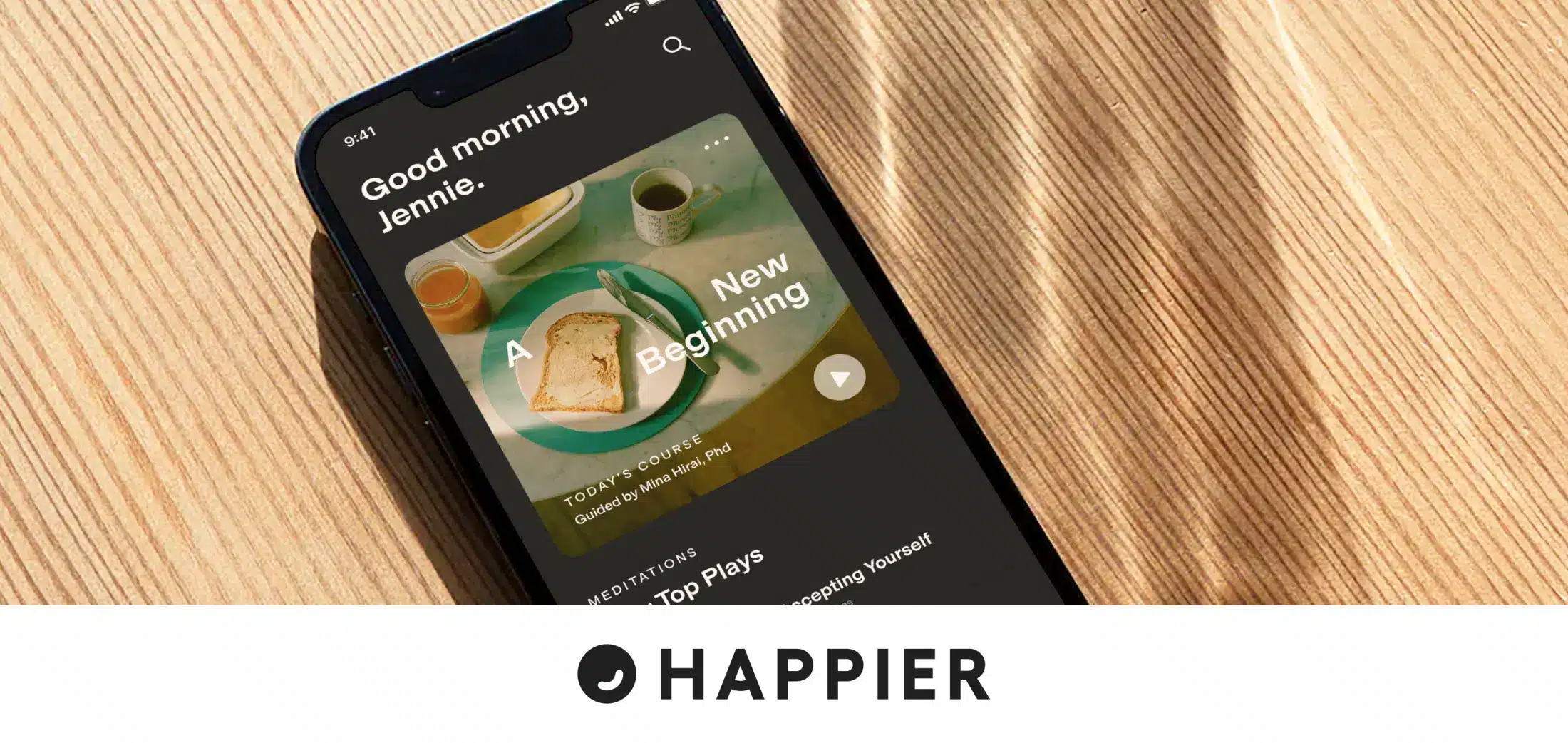
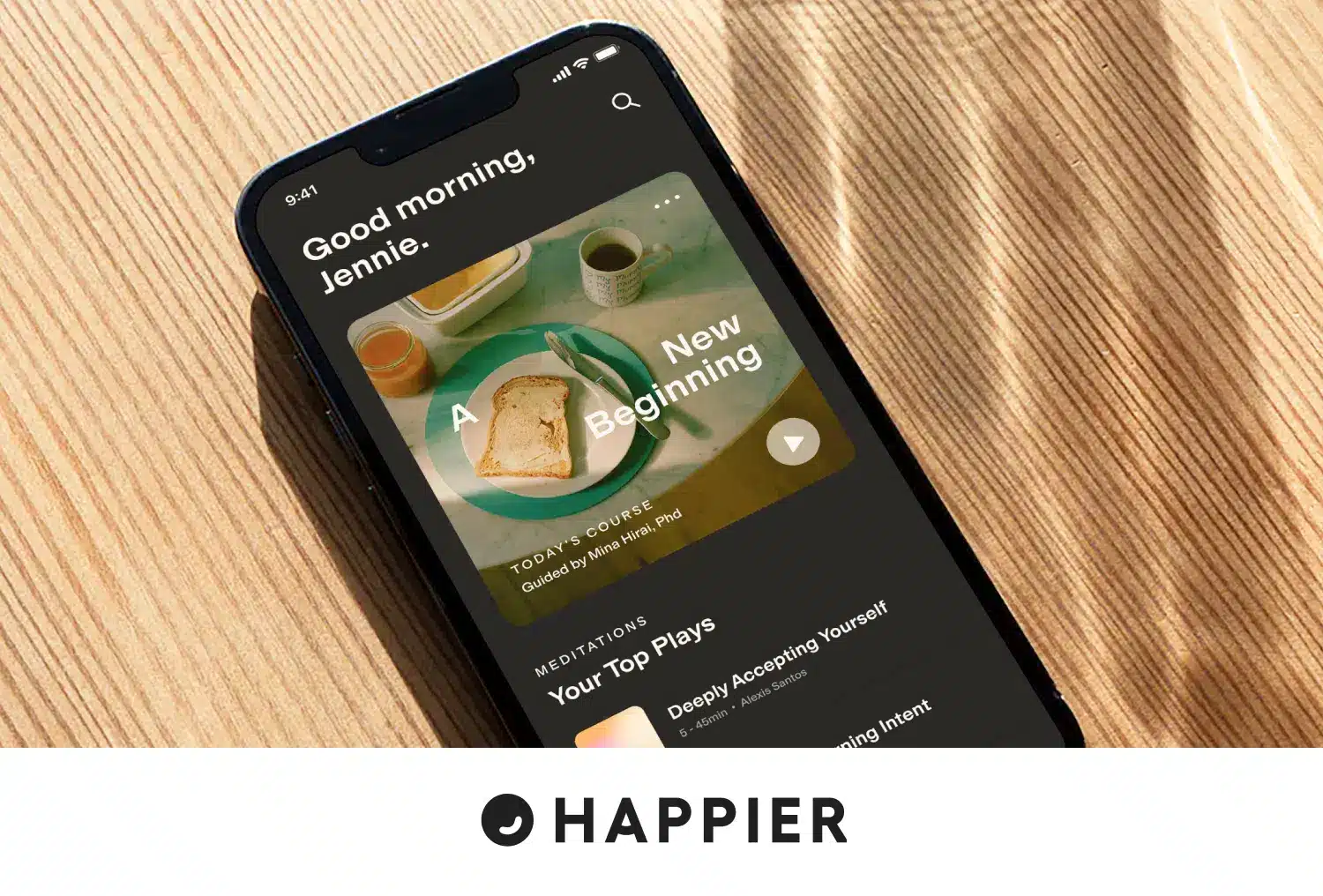
- Headspace offers courses on managing cravings and building discipline
- Insight Timer has thousands of free meditations, including those for addiction recovery
-
Cognitive Behavioral Therapy (CBT)
CBT is one of the most effective evidence-based therapies for addiction recovery support. It helps you:
- Identify distorted thinking patterns
- Replace negative thoughts with constructive ones
- Build practical coping mechanisms
Explore CBT with a licensed therapist or try:
- Moodnotes (mobile app)
- The Feeling Good Handbook by Dr. David Burns
Digital Sobriety Tools That Work
Technology can support staying sober by providing immediate access to encouragement, resources, and community. Here are some of the best sobriety apps:
- Loosid
Designed specifically for sober living, Loosid offers:
- A sober dating platform
- Sober social events
- Recovery support chat and groups
Nomo
An easy-to-use sobriety clock app that allows:
- Tracking multiple habits
- Customizable messages of encouragement
Sober Sidekick
Focuses on peer-driven recovery support. Features include:
- Real-time encouragement from others in recovery
- SOS button when you’re struggling
- Daily motivation and gratitude tools
Using sobriety apps ensures that your sober toolbox is always accessible, even when you’re on the go.
Community and Social Support
-
Support Groups
Connecting with others in recovery helps you feel understood, gain insights, and share accountability. Consider:
- Alcoholics Anonymous: structured 12-step program with local and virtual meetings
- SMART Recovery: uses cognitive and behavioral tools for self-empowerment
- Refuge Recovery: mindfulness-based, Buddhist approach to recovery
- Loosid’s Sober Communities: digital peer support and meetups
-
Online Communities
For flexible, anonymous, or daily connection, online sober communities are invaluable. Popular options include:
- Reddit’s r/stopdrinking: over 400K users sharing stories and advice
- In The Rooms: global community offering 24/7 virtual meetings
- Sober Black Girls Club: culturally specific support for Black women in recovery
Finding community—whether virtual or in person—can reduce isolation, boost resilience, and reinforce your commitment to sobriety.
Books and Educational Resources
Reading others’ experiences and expert guidance can deepen your understanding and give you new tools for sobriety.
Memoirs:
- Drinking: A Love Story by Caroline Knapp: a moving personal account of alcoholism
- Blackout by Sarah Hepola: explores memory loss, relapse, and rebuilding
Guides and Workbooks:
- This Naked Mind by Annie Grace: challenges alcohol’s cultural role and offers actionable change
- Quit Like a Woman by Holly Whitaker: a modern recovery manual with a feminist lens
Daily Readers:
- Daily Reflections: daily wisdom from AA
- Each Day a New Beginning: meditations for women in recovery
Books are a low-pressure but powerful form of recovery support. Add a few to your sober toolbox to reference when you need inspiration or clarity.
Lifestyle and Health Tools That Support Recovery
-
Physical Activity
Exercise improves mental health, regulates mood, and reinforces discipline. Great options include:
- Yoga with Adriene: gentle, beginner-friendly yoga
- Walking, swimming, or group fitness classes
-
Nutrition
Food impacts your energy, mental clarity, and emotional balance. Consider:
- Planning regular meals to avoid hunger-related triggers
- Reducing sugar and processed foods
- Exploring books like The Sober Lush for fun, alcohol-free recipes and rituals
-
Sleep Hygiene
Better sleep reduces cravings, improves emotional stability, and supports recovery.
- Try setting a consistent bedtime
- Use Calm or Pzizz for guided sleep meditations
- Avoid screens before bed and reduce caffeine intake
These sober living resources support your body, mind, and emotions—key pillars in addiction recovery support.
Building and Evolving Your Sober Toolbox
Start small. The most effective sober toolbox is one that meets your needs today. Here’s how to build and maintain it:
- Identify pain points: What’s your biggest struggle—loneliness, triggers, stress?
- Match tools to needs: If stress is high, try meditation. If loneliness hits at night, join an online meeting.
- Rotate and refine: Your needs will evolve, so should your toolbox. Try new tools quarterly and keep what works.
- Write it down: Keep a list in your journal or phone so you can easily turn to it during tough moments.
By proactively curating tools for sobriety, you give yourself an advantage—one rooted in preparation, self-awareness, and self-compassion.
Final Thoughts: Your Sobriety Toolbox Is Your Lifeline
Sobriety isn’t a solo mission, and your tools are your allies. Whether it’s a meditation app, a favorite book, a close-knit support group, or a walk outside, each tool serves a purpose in helping you stay grounded.
The best part? You get to design it. Let it reflect who you are and who you’re becoming. Recovery support isn’t about perfection—it’s about consistency and connection.
Tonight, try one new self-help tool for recovery. Journal a goal, download an app, or read a story from someone who’s been where you are. Your future self will thank you.