Non-Alcoholic Beers and Sobriety
When it comes to sobriety, every person’s journey is unique, and the idea of consuming non-alcoholic beer can spark some real debates. While non-alcoholic beer may not technically break sobriety, it’s subjective and can be dangerous, potentially causing triggers or relapse. Always consult your treatment provider or care team if you have one.
What is Non-Alcoholic Beer, Anyway?
Non-alcoholic (NA) beer is brewed to taste similar to regular beer, but the alcohol content is either removed or kept extremely low. Most NA beers contain 0.5% alcohol by volume (ABV) or less, considered trace amounts of alcohol. However, that small amount can raise questions for people in recovery from alcohol abuse.
For context, a regular beer typically has an alcohol content of around 5%, so the amount of alcohol in NA beer is significantly lower. But just because it’s labeled non-alcoholic doesn’t mean it’s completely free of alcohol. Some NA beers boast a 0.0% ABV, but many contain small amounts of alcohol.
So, Does Drinking Non-Alcoholic Beer Break Sobriety?
While drinking non-alcoholic beer does not technically break sobriety, this is extremely subjective and should be done with care, as it can cause a slip or relapse. Many people in recovery feel that even consuming non-alcoholic beer can be a slippery slope. The taste, the feel, and the habit of drinking a beer—even one with trace amounts of alcohol—can trigger cravings and remind you of drinking alcohol in the past. Some Loosid members have shared their experiences, saying that while drinking NA beer doesn’t mean they’ve broken sobriety, it made them want regular beer, which led to risky situations.
 The Risk of Trigger Cravings: Dangers of Non-Alcoholic Beer
 The Risk of Trigger Cravings: Dangers of Non-Alcoholic Beer
Drinking non-alcoholic beer can pose a risk for recovering alcoholics because it mimics the experience of drinking alcoholic beverages. For many, this can trigger cravings for regular beer or other stronger drinks, and that’s where the danger lies. Once your brain remembers the feeling, the taste, or even the social situations where you used to drink, it can be tough to resist the urge to go back to drinking alcohol.
Cravings don’t just come from the alcohol content in drinks, either. The act of holding a beer, the taste of something that feels similar to alcoholic beverages, and the familiar social settings can all work together to reawaken old patterns. For this reason, people who are in recovery from alcohol should approach drinking NA beer cautiously.
Non-Alcoholic Beer vs. Alcohol-Free Beer
It’s also important to clarify the difference between non-alcoholic beer and alcohol-free beer. As mentioned earlier, non-alcoholic beer often contains up to 0.5% alcohol by volume (ABV), while alcohol-free beer contains 0.0 ABV. This difference might seem small, but for those working hard to maintain sobriety, even small amounts of alcohol can be a risk.
For some, sticking with alcohol-free beer is a safer option because it eliminates the worry about trace amounts of alcohol. Alcohol-free beers are also less likely to trigger cravings since they’re entirely free of alcohol, though the same risks may apply depending on personal triggers.
What About Mocktails?
 What About Mocktails?
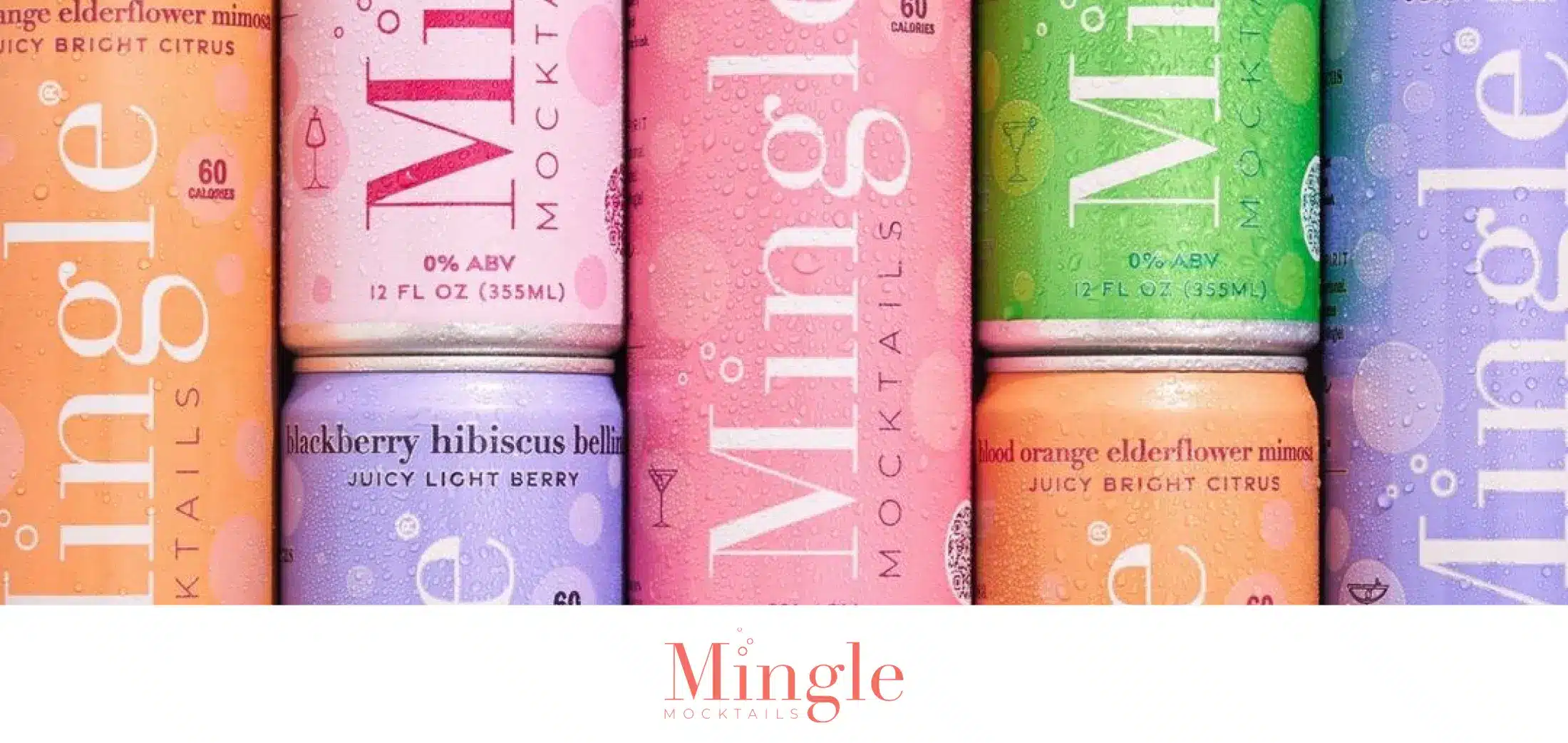
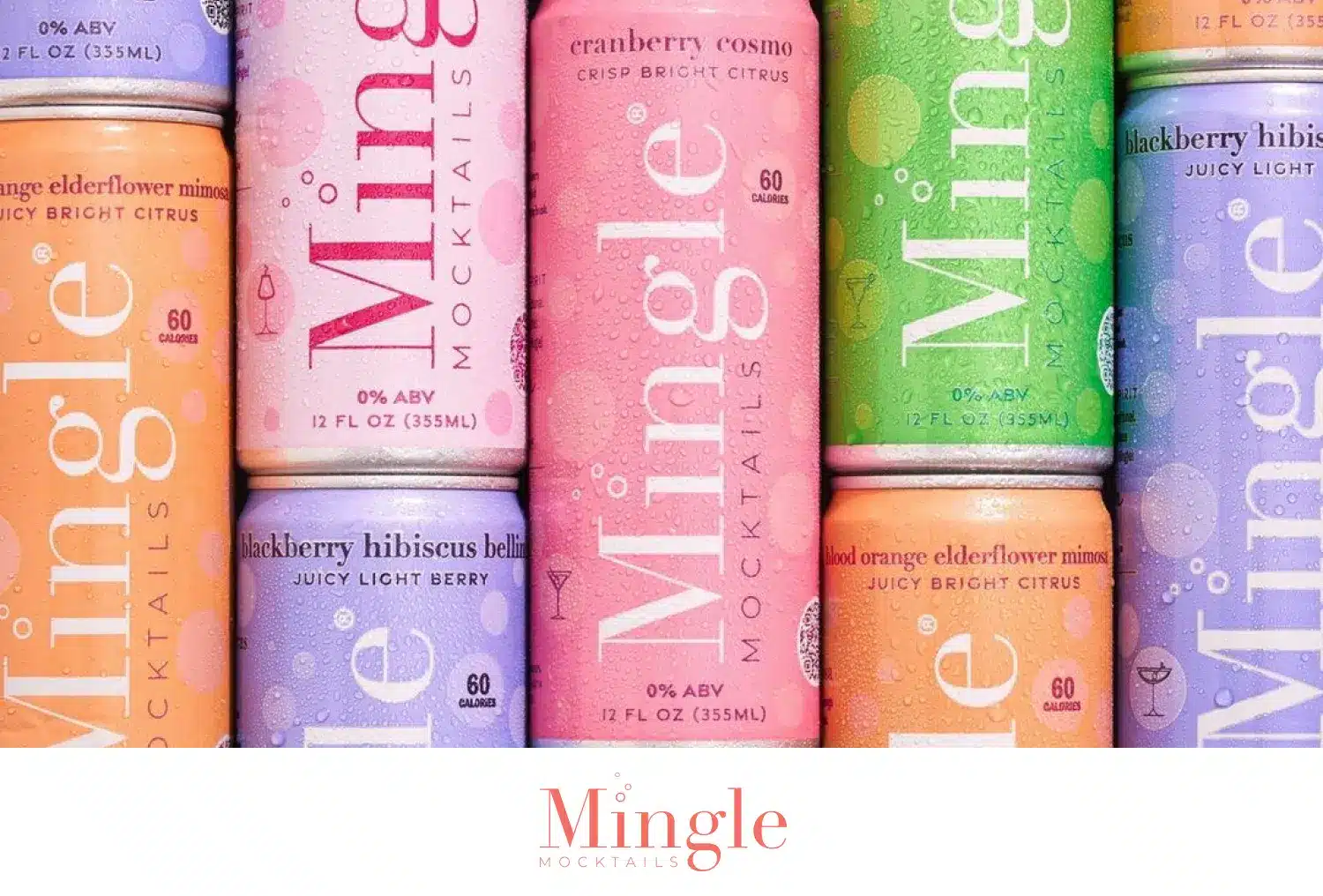
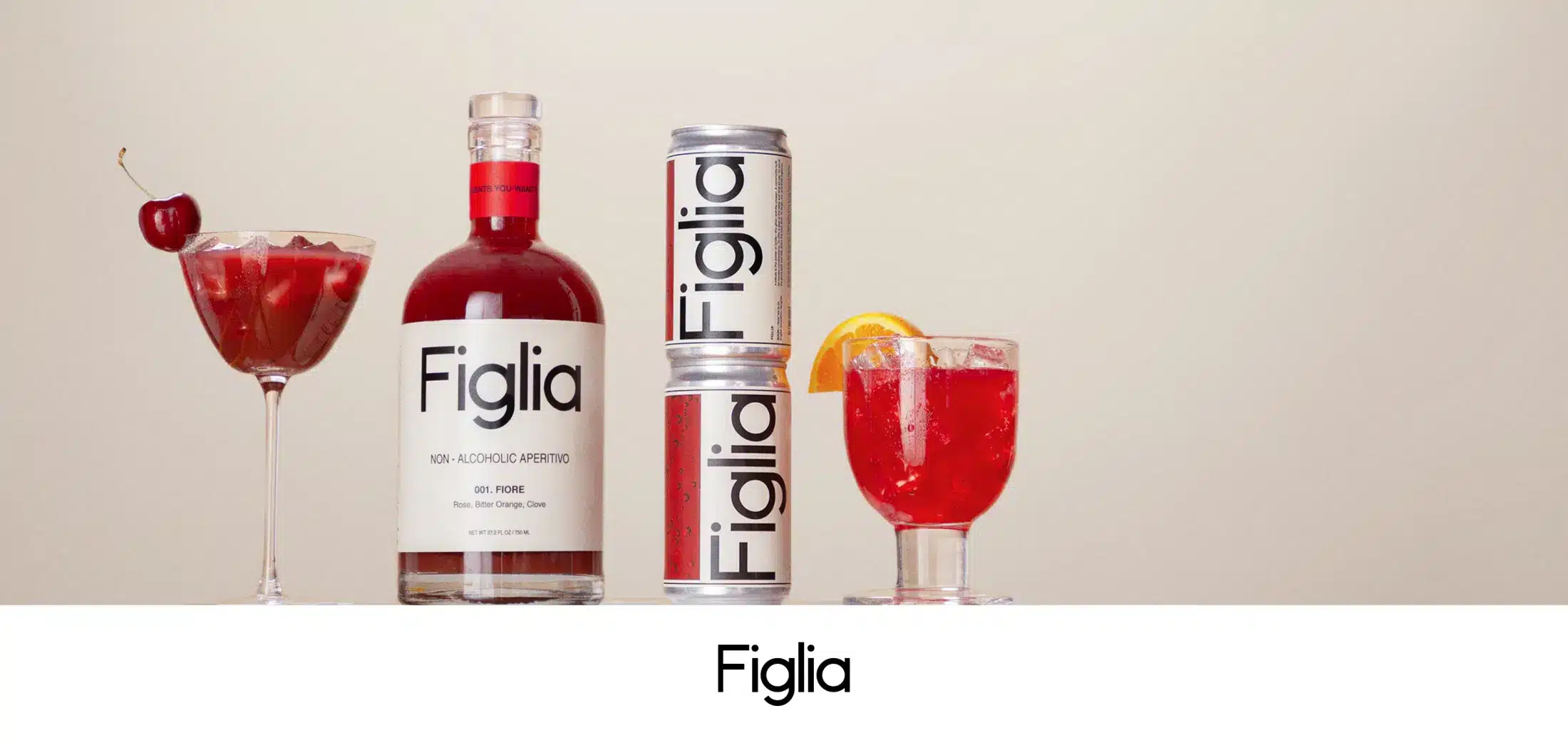
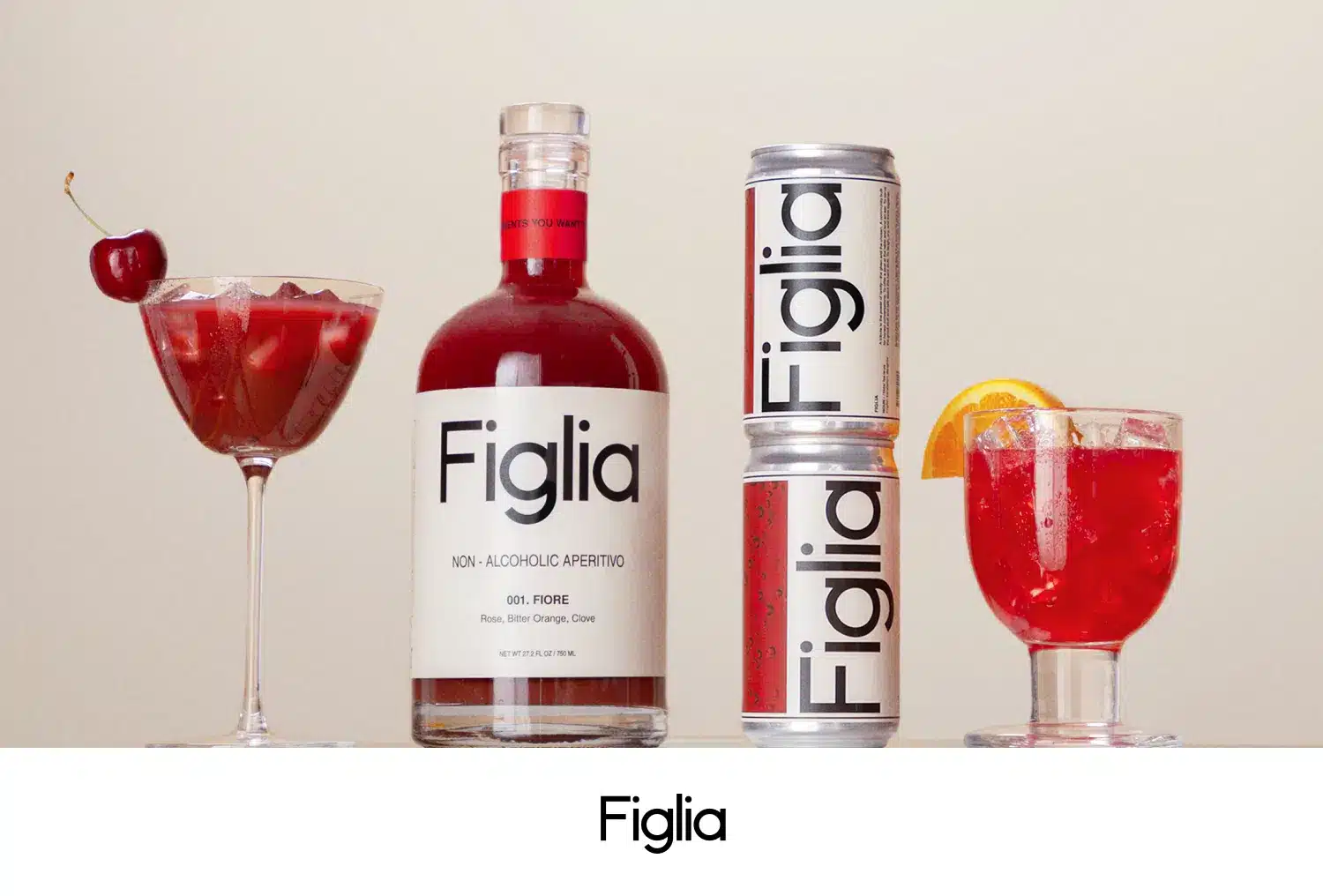
If you’re not sure about drinking non-alcoholic beer but still want to enjoy a drink in social settings, mocktails might be a better option. Mocktails are not always meant to mimic alcoholic beverages. They are fun, creative mixes of different drinks, and they’re made to be a flavorful alternative to cocktails without trying to recreate the experience of drinking alcohol.
That said, some mocktails can look or feel similar to actual cocktails, which can cause cravings in the same way NA beers can. If you’re not sure, it’s always a good idea to consult with your treatment provider or support team before consuming non-alcoholic beer or mocktails, especially if you’re early in your recovery journey.
The Importance of Staying Sober
At the end of the day, staying sober is about more than just avoiding alcohol—it’s about protecting the progress you’ve made in recovery. Consuming non-alcoholic beer might not be the same as drinking alcohol, but it could still create risks, especially if it makes you want a regular beer or if you’re not far enough along in your recovery to manage those psychological triggers.
Being careful and protective of your sobriety is essential. If you feel like drinking NA beer could jeopardize that, it’s probably best to avoid it. Some people find that non-alcoholic beers help them feel included in social settings without drinking alcohol, while others feel that the risks outweigh the benefits.
Finding Alternatives That Support Sobriety
Rather than risking potential setbacks with non-alcoholic beer, some in recovery choose to explore other drink options that don’t mimic alcoholic beverages. Sparkling waters, kombuchas, or herbal teas offer satisfying alternatives without psychological risks. Developing new habits and preferences can be a positive part of the recovery journey, helping people feel empowered in their choices. Brands that cater specifically to the sober community, like the ones available through Loosid’s Sober Marketplace, provide a range of options that feel celebratory and indulgent but are completely free from the risks associated with non-alcoholic beer.
Alternatives to Non-Alcoholic Beer
There are plenty of non-alcoholic drink options that don’t come with the same risks as NA beer. Here are a few brands that offer great alternatives:
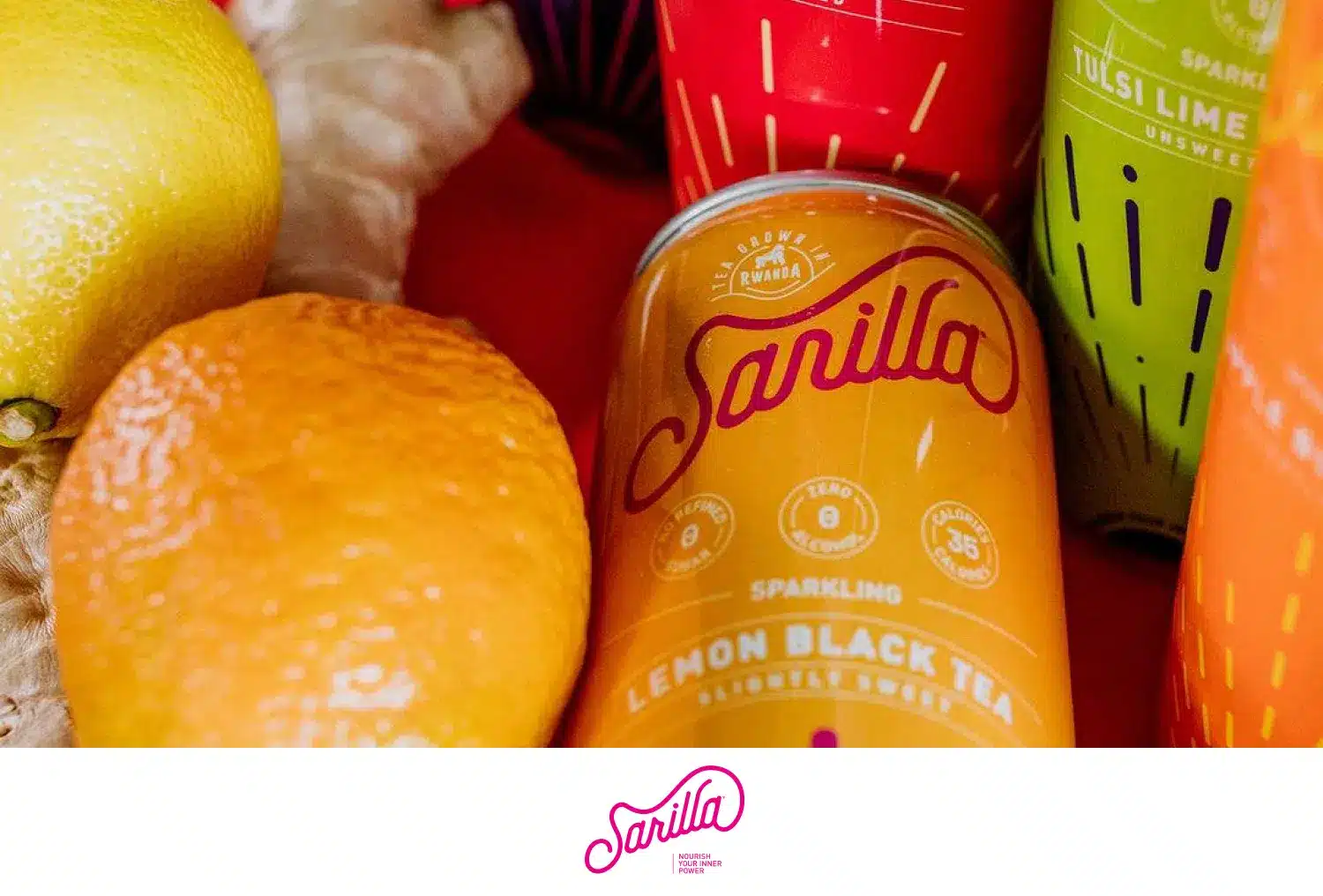
- SARILLA – A sparkling tea that’s refreshing, flavorful, and completely alcohol-free.
- HOPWTR – A non-alcoholic sparkling water infused with hops, giving it a crisp, beer-like taste without any alcohol content.
- CLEAN CAUSE – Known for their sparkling yerba mate drinks, these beverages offer a natural boost without the risks of alcohol.
- SMASHD – This sparkling drink is designed for people in recovery and offers an exciting alternative to beer or alcohol.
- CURIOUS ELIXIRS – A brand known for creating sophisticated non-alcoholic cocktails that provide the complexity of a cocktail without any alcohol.
These alternatives can help you enjoy social situations without worrying about drinking alcohol or the potential for trigger cravings. Loosid’s Sober Marketplace has partnered with the brands above to offer discounts for the Loosid community. Brands like these work hard to create products that keep sobriety fun and healthy.
Psychological Triggers and Their Role in Alcohol Addiction
For individuals recovering from alcohol addiction, understanding psychological triggers is crucial. Psychological triggers are often situations, environments, or even specific sensations that provoke a strong urge to drink or engage in old habits. Regarding non-alcoholic beers, the taste, smell, and visual similarity to traditional beer can be powerful triggers. Even if the alcohol content is minimal or absent, the sensory connection can lead the brain to revisit past associations with drinking. Recovery involves not only physical abstinence but also managing the mental and emotional cues that drive cravings. Recognizing these psychological triggers is essential in deciding if non-alcoholic beer is a safe option.
The Role of Addiction Treatment in Managing Triggers
If you’re in addiction treatment, non-alcoholic beer might present unique challenges. Treatment plans often incorporate cognitive-behavioral techniques and other therapeutic methods designed to help individuals identify and manage their specific triggers. Addiction treatment professionals may advise some clients to avoid non-alcoholic beer entirely, especially early in recovery, as part of developing a solid foundation for sobriety. By working closely with a counselor or support team, individuals can better understand how to navigate scenarios that may provoke cravings and make choices aligned with their long-term sobriety goals.
Non-Alcoholic Beer and the Social Aspect of Recovery
One of the more complex aspects of alcohol addiction is the social role it plays in people’s lives. Social gatherings and celebrations often include alcoholic drinks, which can make those in recovery feel isolated. Some people turn to non-alcoholic beer as a means to feel more included in these social situations. However, as discussed, the appearance and taste of non-alcoholic beer can act as a trigger, particularly in the early stages of recovery. Finding alternative drinks that are refreshing but entirely distinct from alcohol can offer a safer social experience, allowing people to connect without risking relapse.
Still Not Sure?: Chat with the Loosid Community
If you’re still not sure whether drinking non-alcoholic beer counts as or might trigger you to break your sobriety, try downloading the Loosid sober app to connect with members. There are hundreds of thousands of like-minded people with the common bond of sobriety, so you can share your questions and concerns to get genuine opinions and experiences.
Closing Thoughts: Prioritizing Recovery and Well-Being
In the end, the question of whether drinking non-alcoholic beer breaks sobriety is deeply personal. It’s not solely about whether the drink contains alcohol; it’s about how it impacts your mindset, triggers, and progress in recovery. People must weigh these factors carefully and seek advice from their treatment team or support network. Remember, the goal of sobriety isn’t just to avoid alcohol—it’s to create a healthier, happier life that supports your well-being.