

Living a Sober Lifestyle
A sober lifestyle helps you feel clear-headed, steady, and confident in your daily choices. It supports better sleep, stronger relationships, improved health, and a routine that aligns with long-term goals. This guide combines proven benefits, practical steps, and expert resources so you can begin or strengthen your alcohol- and drug-free journey with confidence.

What a sober lifestyle really means
A sober lifestyle is more than the removal of drugs and alcohol. It is a set of everyday choices that protect your physical health, stabilize your mood, improve sleep, and make room for meaningful relationships, purpose, and joy. Public health guidance is clear that drinking less is better for health outcomes overall, and choosing not to drink lowers risk further. See the CDC’s overview on alcohol and your health for the big picture, including how alcohol affects disease risk and quality of life.
Health benefits you can measure
Cardiometabolic and liver improvements
Short periods of abstinence already show measurable change. In a prospective study of moderate to heavy drinkers, four weeks without alcohol improved insulin resistance, lowered blood pressure, reduced weight, and shifted cancer-related growth factors in a favorable direction. Alcohol harms add up across a lifetime, and the population burden is large. Excessive alcohol use contributes to about 178,000 deaths in the United States each year and shortens life by an average of 24 years among those who die from it, with substantial economic costs.
Sleep quality and energy
Alcohol may knock you out quickly, but it fragments sleep, reduces REM, and worsens snoring and sleep apnea. Reviews in the NIH’s journal Alcohol Research and other peer-reviewed outlets show that heavy drinking predicts poor sleep and that sleep problems can persist during early abstinence before stabilizing with time. Early recovery often includes a few rough weeks of sleep adjustment, and sleep recovery within the first 30 days is often limited before gradual normalization occurs.
The role of drugs in overall health
While alcohol receives much public attention, other substances can cause similar or greater harm to cardiovascular health, liver function, brain chemistry, and sleep cycles. Chronic use of stimulants such as cocaine or methamphetamine can raise blood pressure, strain the heart, and contribute to arrhythmias and strokes. Opioids depress respiration, which can lead to oxygen deprivation, organ damage, and fatal overdoses. Many substances disrupt natural sleep cycles, leaving users fatigued and cognitively impaired. Evidence shows that abstinence from drugs — much like alcohol — allows the body to recover, with improvements in heart health, liver enzyme levels, cognitive function, and emotional stability. This recovery is further supported by healthy lifestyle changes, ongoing medical care, and participation in structured support programs.
Brain function and mood
Abstinence supports brain recovery. Reviews of neurocognitive outcomes report meaningful improvement across attention, executive function, perception, and memory within 6 to 12 months. On the mental health side, reducing or eliminating alcohol or drugs is linked with lower anxiety and depression symptoms in population data and clinical samples. For evidence-based self-assessment and change tools, explore Rethinking Drinking.
Social life without alcohol or drugs
You can keep a full social calendar and still live alcohol- and drug-free. Many people switch to creative non-alcoholic options and choose venues or activities that match their values. If you want to expand your circle, try meeting sober friends so your default plans already support your goals.
The rise of alcohol-free options
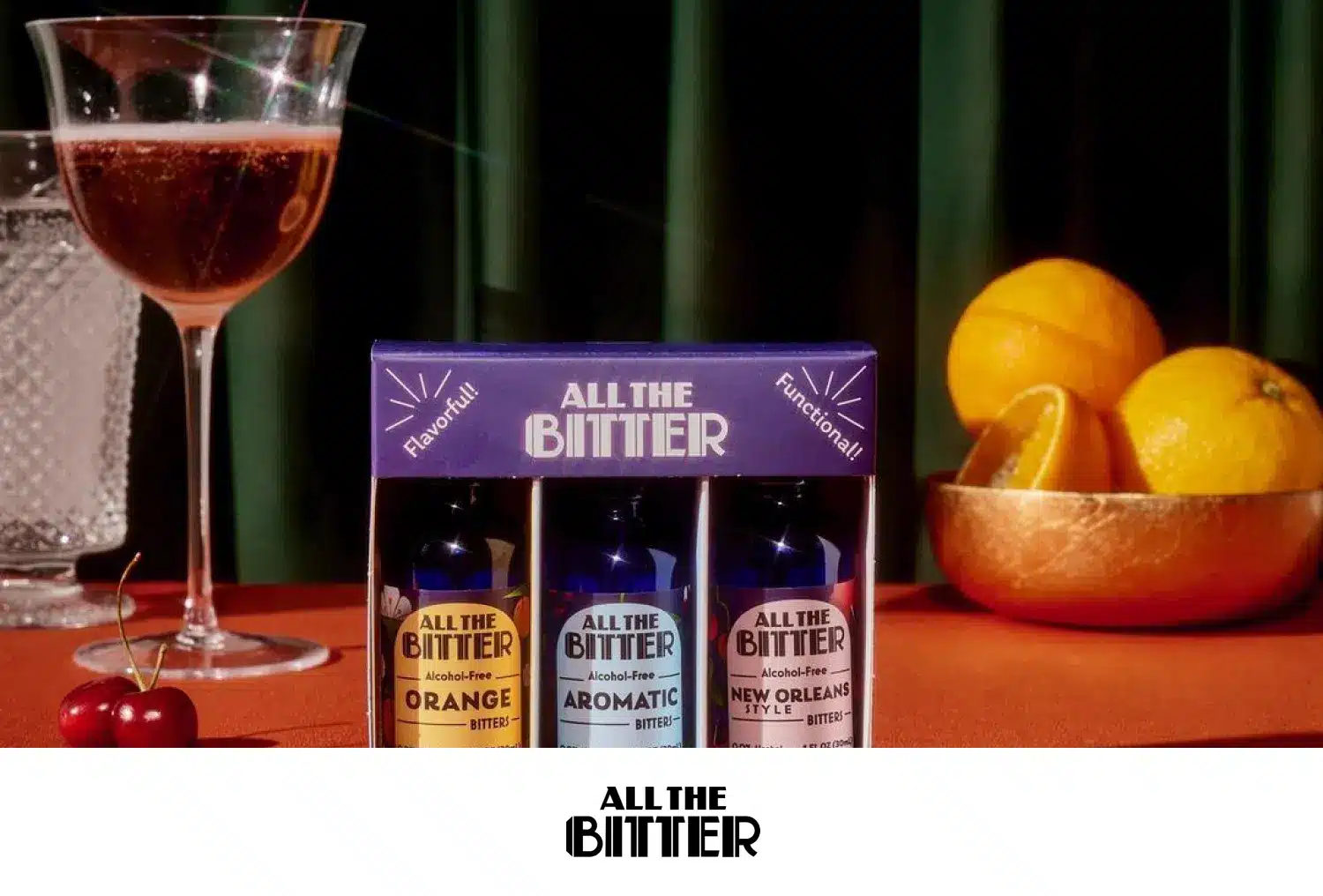
Non-alcoholic beverages are more than a trend. A randomized controlled trial found that providing non-alcoholic options helped participants reduce alcohol intake, with effects lasting several weeks beyond the intervention. You can also bring your own mocktails to gatherings or host events that center food, music, games, or movement. This removes social pressure and keeps you engaged without compromise.
 Community and accountability
 Community and accountability
Mutual-help communities are widely accessible and supported by strong evidence. A Cochrane review found Alcoholics Anonymous and clinically delivered 12-Step Facilitation comparable or superior to other active treatments for increasing abstinence, with cost advantages in some analyses. An open-access overview in Addiction supports similar conclusions. The right digital tools help too. The sober app keeps your progress front-of-mind and makes support only a tap away.
Financial and productivity gains
Alcohol and drug use cost more than the price of a drink or a dose. For many, they quietly affect work quality, reliability, and long-term savings. The CDC documents large societal costs, and individuals often report quick gains when they reallocate spending toward fitness, learning, travel, or debt reduction. State fact sheets on excessive alcohol use provide a broader picture of the economic and health burden.
How to start living a sober lifestyle today
You do not need to figure everything out at once. Small, consistent steps build a strong foundation.
- Make a clear, compassionate plan
Start with a simple commitment for the next 30 days. Schedule alcohol- and drug-free activities you enjoy, plan for cravings, and identify risky times. For practical worksheets and trackers, explore Rethinking Drinking and its change toolkit. If you use heavily and are concerned about withdrawal, talk to a clinician first. NIAAA offers guidance for short-term challenges like Dry January, including safety advice for people who drink at higher levels. - Build a support system you can lean on
Tell a few people you trust. Add daily check-ins with a friend, join a support group, or use the sober app for community accountability. Evidence favors community-based support for sustained change, as highlighted in the Cochrane review on AA/TSF. - Design a social life that fits your goals
Plan coffee walks, hikes, bowling nights, live shows, or potlucks. Bring mocktails to parties so you have something special in your glass. The RCT on non-alcoholic alternatives shows a real reduction in consumption when these options are available. - Add movement to stabilize mood and cravings
Exercise improves sleep quality, reduces stress, and supports recovery from alcohol and drug use. A 2024 meta-analysis found that exercise as an adjunct treatment reduced alcohol dependence and improved physical and mental states. Complementary RCT evidence shows gains in quality of life among those in recovery. - Train your attention with mindfulness
Mindfulness-Based Relapse Prevention teaches awareness of triggers, urges, and automatic patterns so you can respond calmly. A randomized clinical trial in JAMA Psychiatry found fewer days of substance use at 12 months for the mindfulness group compared with standard relapse prevention. - Sleep hygiene first
Aim for regular bed and wake times, a dark room, and screen-free wind-downs. Expect a transition period; research notes limited sleep recovery within the first month, followed by improvements. Reviews on alcohol and sleep-related problems highlight similar patterns for other substances. - Use digital tools and professional care when needed
Telehealth and guided programs make help more accessible, and the Loosid Sober App offers community, accountability tools, daily inspiration, and sober dating options right from your phone. For professional support, NIAAA’s treatment options outline evidence-based choices for both in-person and remote care, making it easier to find the right fit for your needs.
Conclusion
 Conclusion
A sober lifestyle means committing to your health, strengthening relationships, and living with clarity and purpose. The benefits can begin within days and continue to grow for months and years, enhancing both your body and mind. You have effective tools within reach: connect with supportive people, choose activities that bring you joy, and use the Loosid Sober App to stay inspired and accountable.
Start with one small action today such as enjoying a clear drink, taking a walk with a friend, or getting a night of restful sleep. Over time, these choices can build a life that reflects your values and supports lasting freedom and fulfillment.